

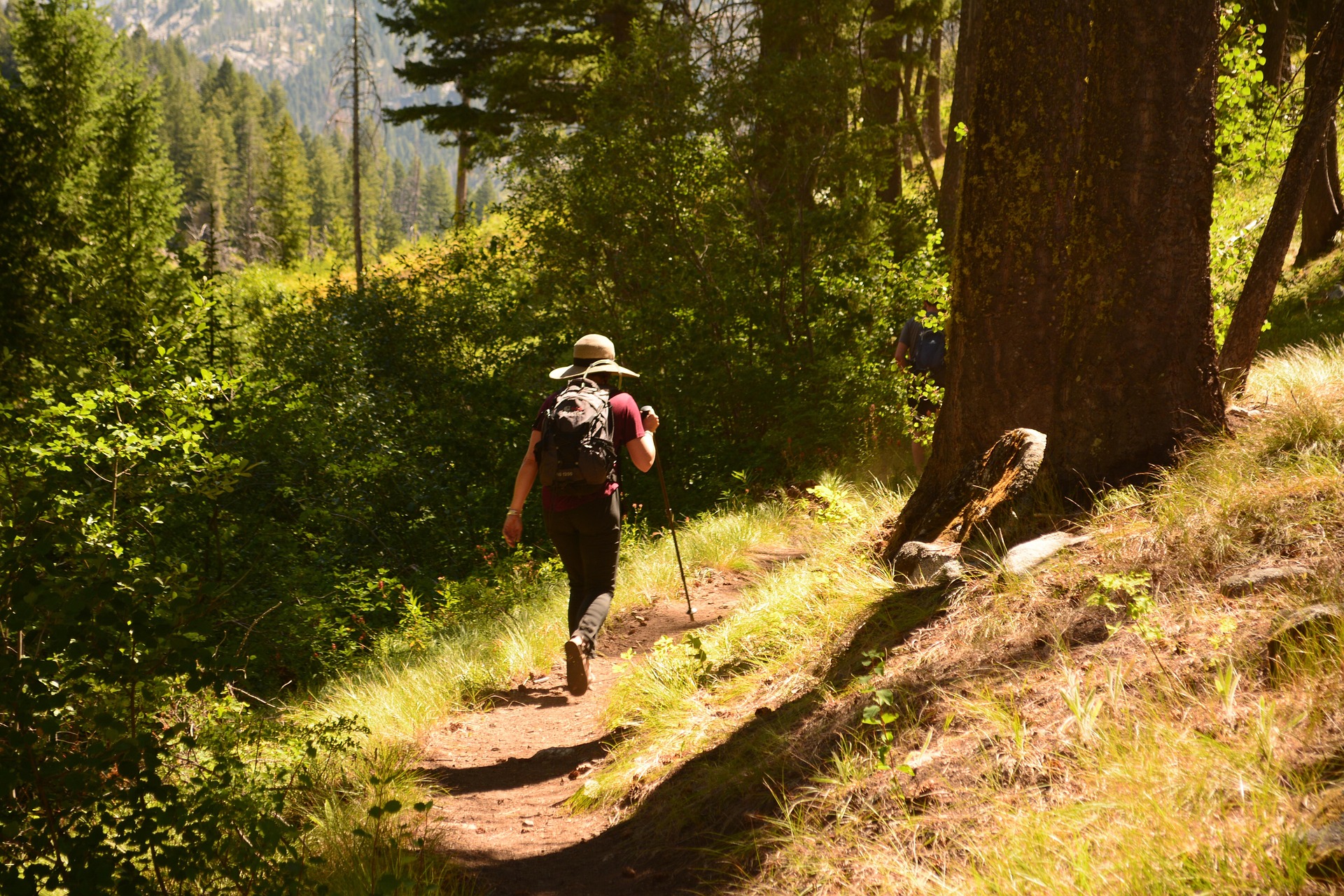
Trekking Safety Tips Every Adventurer Should Know
Trekking brings excitement, freedom, and breathtaking views, but it also comes with challenges. Staying safe on the trail ensures you can enjoy the journey without unnecessary risks. Here are some essential trekking safety tips to keep your adventure worry free.
Plan Ahead and Research
Before setting out, learn about the trail’s difficulty, weather, altitude, and local regulations. Always check maps, talk to guides, or read recent trek reports.
Why is planning important for trekking?
Proper research prevents surprises and helps you prepare the right gear and mindset.
Pack the Right Gear
Your gear can be your lifesaver. Essential items include:
First aid kit with bandages, medicines, and antiseptic
Weather-appropriate clothing and waterproof layers
Navigation tools (map, compass, GPS)
Headlamp with spare batteries
Water purification tablets or filters
Should I carry a first aid kit while trekking?
Yes, even on short treks, a first aid kit can handle unexpected injuries or illnesses.
Stay Hydrated and Nourished
Dehydration is one of the biggest risks during trekking. Drink water regularly and eat high energy snacks like nuts, trail mix, or protein bars.
How much water should I drink while trekking?
At least 2 to 3 liters per day, more in hot climates or high altitudes.
Respect Altitude and Pace Yourself
If trekking above 2,500 meters, be aware of altitude sickness symptoms like headache, dizziness, or nausea. Ascend slowly, rest often, and don’t push beyond your limits.
What should I do if I feel altitude sickness?
Descend to a lower altitude immediately and rest. If symptoms worsen, seek medical help.
Travel Responsibly
Always follow Leave No Trace principles:
Carry back all trash
Respect local culture and wildlife
Stay on marked trails to avoid accidents
Adventure Safely, Travel Smart
Trekking is about enjoying the journey, not racing to the finish line. With smart planning, the right gear, and respect for nature, your adventure will be safe and unforgettable.


