

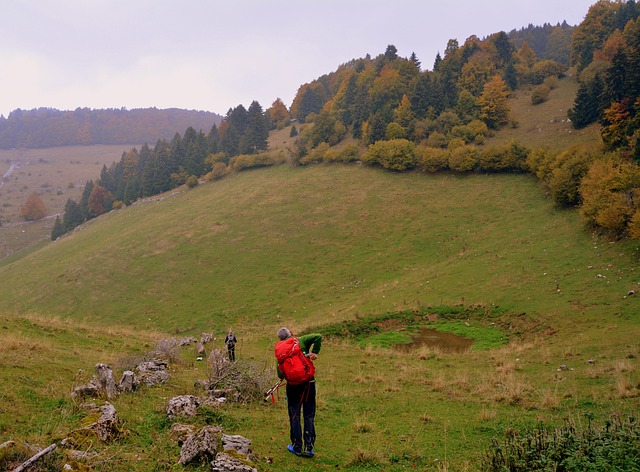
Why Safety Should Be Your First Priority in Hiking and Trekking
Adventure travel is exciting, but safety should always come first. Whether you’re exploring local hiking trails or preparing for a multi day mountain trekking expedition, understanding safety measures ensures a worry free journey. Many beginners ask: How can I stay safe while trekking? The answer lies in preparation, awareness, and the right equipment.
Common Risks in Hiking and Trekking
Trekking often involves uneven terrain, sudden weather changes, and altitude challenges. Slips, dehydration, and getting lost are among the most common risks. High altitude treks may also bring altitude sickness, which can affect even experienced hikers. Being aware of these challenges helps you plan better and avoid dangerous situations.
Essential Safety Gear and Preparation
Your gear plays a vital role in safety. Always carry a first aid kit, headlamp, map or GPS, whistle, and enough food and water. Trekking poles reduce strain on knees, while sturdy boots prevent ankle injuries. A frequently asked question is: Do I need to hire a guide for mountain trekking? For remote or high altitude treks, hiring a local guide improves safety and also supports the community.
Practical Safety Tips for Trekkers
Check the weather forecast before heading out.
Inform someone about your route and return time.
Stay hydrated and take regular breaks.
Respect your limits turn back if conditions worsen.
Follow trail markers and avoid shortcuts that may lead to dangerous areas.
Conclusion: Safe Treks Are the Best Treks
Hiking and mountain trekking are meant to be enjoyable, not risky. With proper preparation, the right gear, and safety awareness, you can focus on the beauty of nature and the thrill of adventure travel.
Explore more safety tips and expert trekking guides on lrkhokon.com because every great adventure begins with staying safe!


